Hero

The Future of Islamic Knowledge

We are an organization dedicated to evolving Islamic research for the 21st-century by combining scholarly rigor with AI and other cutting-edge technologies

Bridging Tradition and Technology

As artificial intelligence and online tools transform how the world accesses, analyzes, and preserves knowledge of all types, Islamic knowledge has not kept up. The best platforms are built for the English language, and they train on the existing expanse of the internet–which largely excludes primary sources from the Islamic world, most of which have yet to be digitized. Core texts—spanning law, history, literature and more—often exist only in books on library shelves or scanned pdfs that machines cannot read and, even when they can, provide unstructured formats that the latest digital tools cannot readily use. Our mission is to address this foundational problem by developing the technical infrastructure that enables Islamic texts to be machine-readable, searchable, and analyzable at scale. Our work bridges the gap between longstanding scholarly traditions and modern research technologies. We collaborate with scholars, technologists, and institutions who share a commitment to preserving the depth of the Islamic tradition while making it accessible and analyzable for future generations.

If shaping the future of Islamic knowledge excites you, let's be in touch..

Mission
Our Mission

A New Chapter in Islamic Research

We’re developing the infrastructure to make Islamic scholarship accessible, searchable, and analyzable at scale.

  • Machine Readability

    We build the infrastructure and processes that transform primary sources of classical Islamic works—often only available in scanned, unstructured formats—into machine-readable, searchable, and analyzable digital texts. This foundational work enables computational methods to update access and readability online to a rich and diverse corpus of Islamic scholarship, opening new avenues for rigorous research and reading.

  • AI-Enhanced Research Tools

    Our products leverage advanced AI techniques, including semantic search and retrieval-augmented generation (which allows precise citations for queries, in contrast to most hallucinogenic or general AI platforms), to provide scholars with precise, reliable, and context-aware access to Islamic texts. These tools support complex queries and scholarly exploration, with additional capabilities such as transliteration and translation engines in development.

  • Corpus Development

    In collaboration with scholars, we curate and structure authoritative Islamic sources across law, history, literature, and more. By collecting libraries that are comprehensive, researcher-vetted, and in structured-digital form, we ensure that users have access to high-quality, representative collections that reflect the depth and diversity of Islamic knowledge.

Our Projects

Islamic Knowledge, Engineered

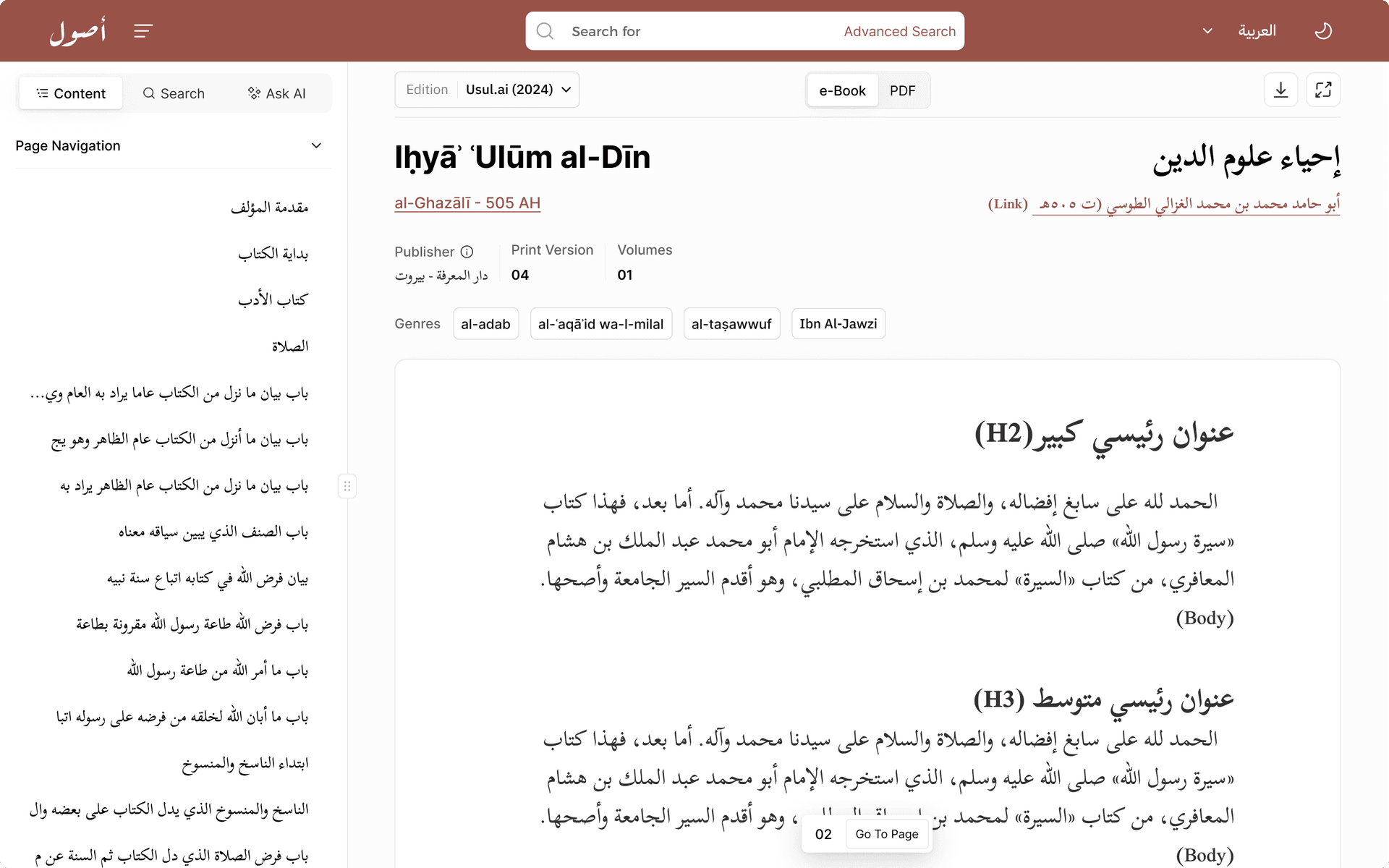
Usul AI

AI-powered Islamic library

Usul is an AI-powered platform designed to evolve how Islamic research is conducted in the twenty-first century. It leverages the largest digital libraries and offers support for:

  • 15,000+ Islamic Books
  • AI-Powered Search for Islamic Sources
  • Curated Islamic Collections (universal corpus to come!)
Usul screenshot

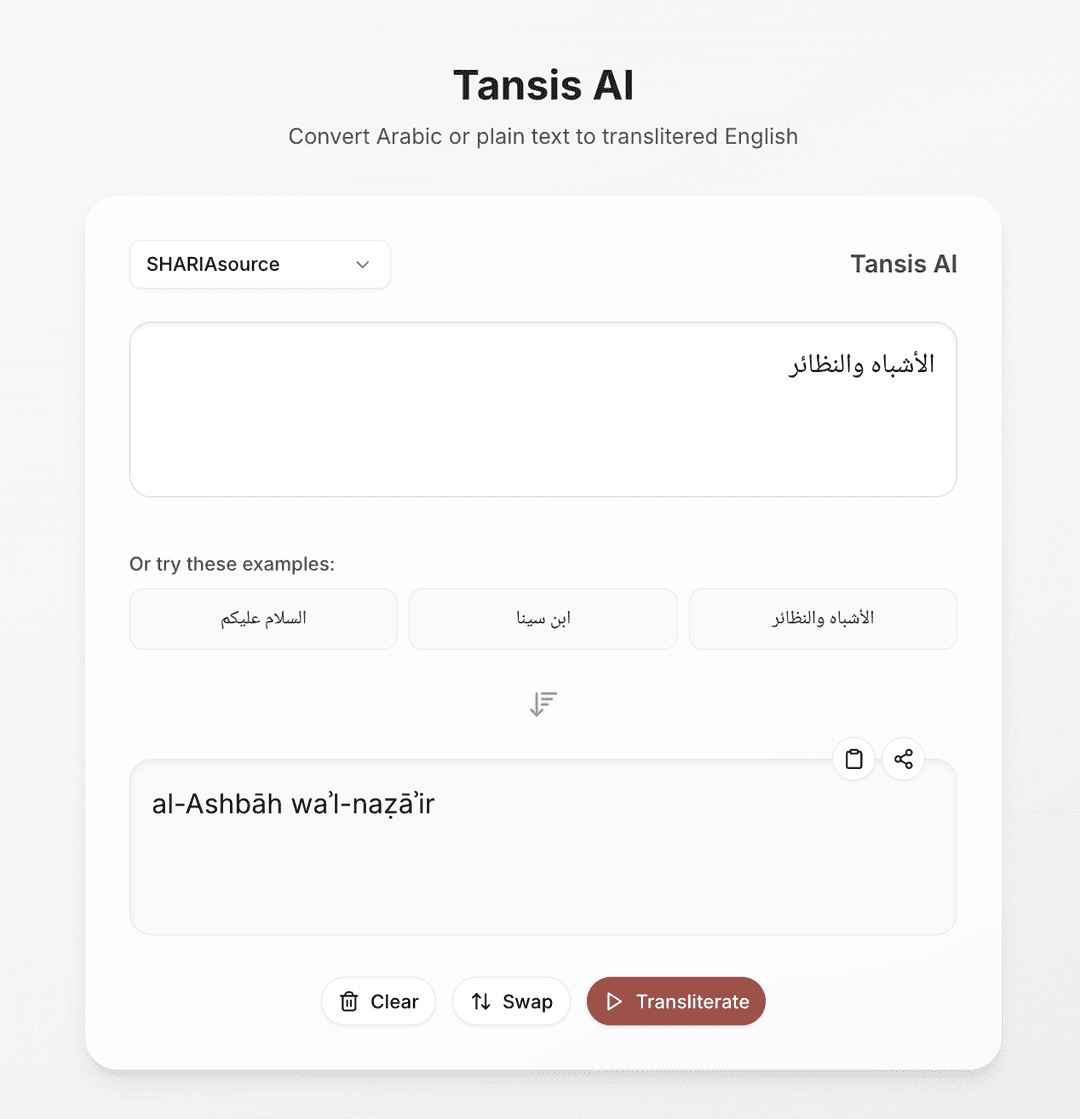
Tansis AI

AI-enabled Arabic to English transliteration

Tansis converts Arabic text to Latin script using various transliteration standards including:

  • SHARIAsource
  • IJMES
  • ALA-LC
  • DIN 31635
  • Buckwalter
Usul screenshot

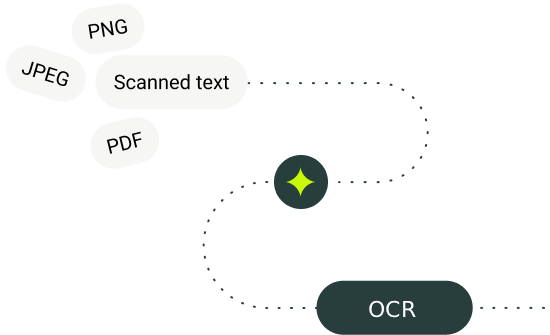
Maktoob OCR

Maktoob OCR is a state-of-the-art Arabic OCR model using recent breakthroughs in Vision LLMs. We're using and improving the model internally. Stay tuned for the public release.

Coming Soon

Usul screenshot
Team

Meet the Team Behind our Mission

The Seemore Foundation is a research-forward nonprofit organization that develops technologies to advance access to and generate insights in Islamic knowledge. Its team brings together experts in AI, engineering, and Islamic studies, working at the intersection of tradition and machine learning to create scalable tools that advance the future of scholarship.

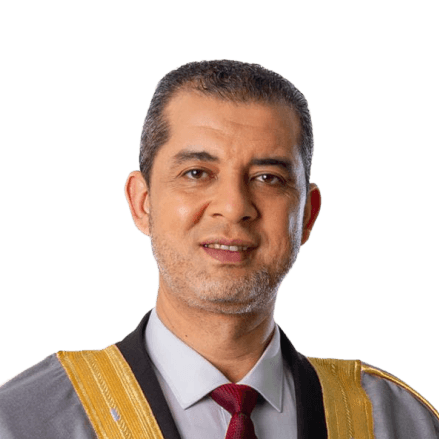
Image of Intisar Rabb
Intisar Rabb

Board Member

She is a Professor of law and history at Harvard, specializing in criminal law and interpretation (usul al-fiqh). She leads the Program in Islamic Law and the SHARIAsource Lab , and IslamicLawBlog.

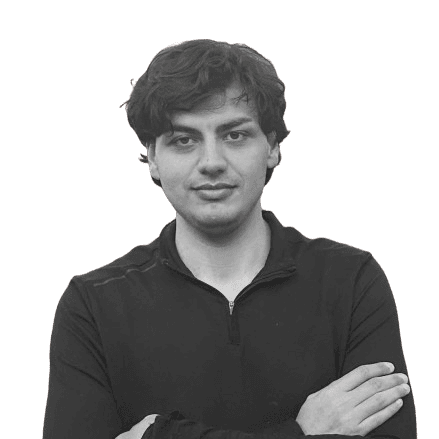
Image of Zeki Mokhtarzada
Zeki Mokhtarzada

Board Member

He is a serial entrepeneur and technology innovator. He has served as CTO to various start-ups and has co-founded multiple ventures, including webs.com (acquired by Vistaprint) and Truebill (now Rocket Money).

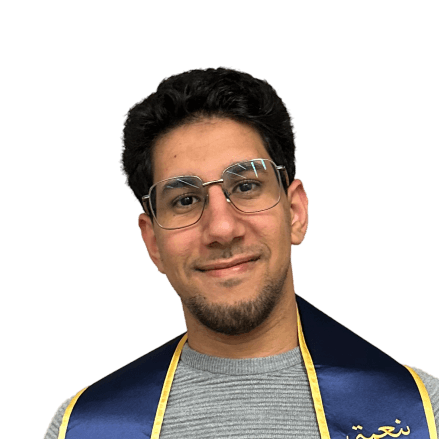
Image of Adnan Zulfiqar
Adnan Zulfiqar

Board Member

He is a Professor of law at Boston College Law School, where he teaches and writes on criminal law and the laws of war. He helped draft the Islamic criminal codes for the Maldives and Somalia.

Image of Ahmet Aktan
Ahmet Aktan

Digitization Lead

He is a researcher who holds a PhD in Islamic Studies from Al-Azhar University. He leads the digitization team and efforts to expand the collections at Usul AI.

Image of Anas Hassanien
Anas Hassanien

Software Engineer

He is a software engineer with full-stack experience, who previously served at Simli AI. He leads the development of core products as Usul.AI.

Image of Abtsam Saleh
Abtsam Saleh

Director of Operations

She is a PhD candidate at Harvard University researching the social dimensions of humancentered technologies, and serves as an administrator and researcher at Usul.AI, where she directs operations and bridges engineering and research.

Image of Ismail Safadi
Ismail Safadi

Researcher

He is a researcher who specializes in Hanafi fiqh. He studied at the University of Jordan and in Turkey. He works on book digitization and annotation at Usul AI.

Image of Ryad Ramo
Ryad Ramo

Researcher

He is a researcher of Islamic knowledge and history, holds a BA in Islamic Studies, and founded the publication the Gems of Al-Andalus. He works on book-digitization and annotation at Usul AI.

Image of Abdellatif Abdelfattah
Abdellatif Abdelfattah

Former CEO

He is an engineer who served as a co-founding engineer at Tarteel AI and our own Usul AI. He previously lead engineering at Quran.com and worked at Twitter.

Image of Ahmed Riad
Ahmed Riad

Former Lead Engineer

He is a software engineer who served as founding-engineer at at several start-ups (including Remail AI, Betterbook, and our own Usul AI). he also served as an engineer at Qur'an.com

Registered Non-Profit

501(c)3 since 2021

2021

Year Founded

100,000+

Users

142+

Countries

Be an Early Supporter

Your support helps us build the foundation of Islamic knowledge in an AI-first world. We're working to ensure that the tradition doesn't get left behind.

Pattern